Video Production for Streaming Platforms: What It Takes to Produce Content That Lasts
The kinds of content streamers commission, the creative and technical realities of producing at series scale, and what we’ve learned from thousands of hours for Tastemade · 12 min read
Streaming changed what it means to produce video. A single campaign used to be a finished project; today a streaming service needs a constant supply of content — series and episodes, channel programming, short-form originals, branded collaborations and all the marketing assets that surround them. And it needs that content to look consistent across hundreds of hours, to meet strict technical specs and to travel to multiple markets and languages.
Video production for streaming platforms is less about a single great shoot and more about building a production engine: repeatable formats, reliable post-production, disciplined delivery and a team that knows the brand well enough to keep quality high at volume. This guide covers the kinds of content streamers commission, the creative and technical realities of producing for them, how the best formats are built and what we’ve learned producing thousands of hours of content for Tastemade.
- IN SHORT
Producing for streaming means producing in series, not one-offs: formats that can be repeated episode after episode, post-production that keeps every episode consistent, deliverables that pass each platform’s technical checks, and versions for every market. The partners that do it well combine creative craft with a production system.
- WHAT STREAMERS COMMISSION
The four kinds of content streaming platforms need
1. Programming: series, episodes and channel content
This is the content viewers come for: unscripted series, food and lifestyle shows, documentaries, kids and family programming, and the libraries that fill free ad-supported channels. For many platforms the challenge isn’t one flagship show but the depth of the catalog — enough episodes, in a consistent style, to keep viewers watching and channels programmed around the clock. That calls for formats designed to be produced efficiently, episode after episode, without losing their charm.
2. Short-form originals
Streaming brands increasingly live on social platforms too, with short-form series and recurring vertical formats that build audiences outside the app. These are produced differently from long-form: faster cycles, tighter hooks and native framing, but they still need to carry the brand’s personality. Our vertical video production guide covers how to plan them.
3. Branded and partner content
Partnerships between streamers, media brands and advertisers have created a whole category of commissioned content: series made for a sponsor, collaborations with other platforms and content tailored to a specific market. These projects carry two sets of brand requirements and often tight launch dates, so clear briefs and fast approvals matter even more. See what is branded content for the fundamentals.
4. Marketing content around the programming
Every title needs trailers, promos, key art adaptations, social cutdowns and localized versions. In practice, this is often where the volume explodes — one series can generate dozens of marketing assets per episode. We cover it in depth in streaming marketing and TV promo production.
- THE REALITIES
What makes producing for streaming different
You’re designing a format, not a video
The most important creative decision in streaming production is the format: the structure every episode follows, the look, the pacing, the graphics package, the role of the host or talent. A strong format makes episode twenty as easy to produce as episode two, while still feeling fresh to viewers. Weak formats force the team to reinvent each episode, which is where budgets and timelines break.
Consistency across hundreds of hours
Viewers notice when the color, sound or graphics change from one episode to the next. Consistency comes from decisions made upfront — a color look, loudness standards, templates for titles and lower thirds — and from keeping the same post-production team on the series. It’s much harder to achieve when episodes are spread across different vendors.
Deliverables are part of the product
Every platform has technical requirements: formats, frame rates, audio configurations, caption files, textless versions, artwork and metadata. A single rejected file can delay a launch. Building technical QC into the workflow, rather than treating it as a final check, is what keeps deliveries smooth. Our guide to post-production services for streaming goes deeper into deliverables.
Every title is a global title
Streaming content travels. Planning for subtitles, dubbing, translated graphics and local edits from the start — clean audio stems, textless masters, editable titles — makes it far cheaper to take a series into new markets. See our video localization guide.
Cadence beats perfection
Streaming audiences and algorithms reward regular releases. A production setup that can deliver episodes reliably every week or month is usually worth more than one that produces a perfect pilot and then stalls. That’s why streaming production depends so much on stable teams and repeatable workflows.
- FORMATS THAT WORK
Formats built for streaming scale
Food & lifestyle series
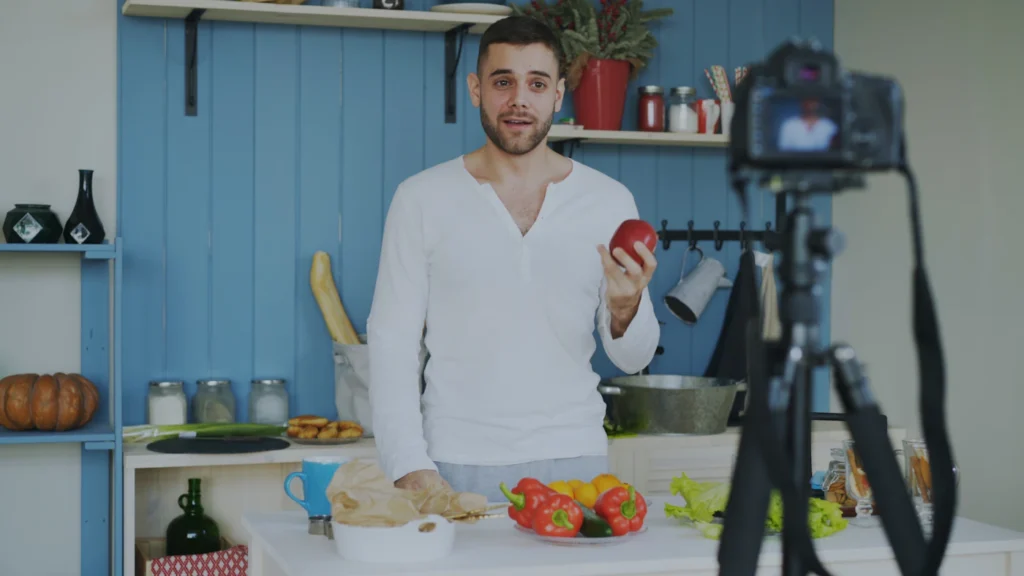
Repeatable structures — a host, a set, a recipe or challenge per episode — that can be produced in blocks and cut for TV, streaming and social from the same shoot.
Unscripted & docu-style
Real people and real stories, where editing carries the narrative. Strong story producers and organized footage logging make the difference at scale.
Market-specific series
Series designed for one audience from day one, like the 15-episode mocktail series we produced with Tastemade for Pinterest’s German market.
- CASE STUDY
Thousands of hours for Tastemade: what scale really requires
Tastemade is one of the clearest examples of what producing for streaming at scale looks like. As its content ecosystem grew across TV, streaming and every vertical social platform, it needed a partner that could scale alongside it without diluting the storytelling that defines the brand. We built a dedicated production and post-production pod that operates as an extension of Tastemade’s in-house team.
Over nearly a decade, that pod has produced thousands of hours of content: premium long-form productions, branded campaigns, social series and TikToks, delivered in multiple languages. It has also handled partner projects such as 14 recipe videos inspired by HBO’s biggest series — dishes straight out of shows fans already loved — and a 15-episode mocktail series for Pinterest designed specifically for the German market, from production through post. Compared with building the same capacity in-house, the model has saved Tastemade around $8M — and the editorial bar went up rather than down.
Three lessons from that work apply to any platform producing at volume. First, keep the team stable: people who have cut hundreds of episodes of a format don’t need to be told what good looks like. Second, design for every output at once: one production day can feed a long-form episode, social cutdowns and partner versions if the shoot is planned that way — see how to repurpose video content. Third, keep production and post-production close: when the people shooting and the people editing are part of the same team, problems get solved on set instead of in the edit suite.
- CHOOSING A PARTNER
How to choose a production partner for streaming content
Streaming platforms and media brands evaluate production partners differently from a brand commissioning a single campaign. Here’s what matters most.
Series experience, not just spots
Ask for examples of recurring programs and how many episodes the partner has delivered for a single client. Producing ten consistent episodes is a different skill from producing one beautiful film.
Production and post under one roof
When shooting, editing, color, sound and finishing sit in different companies, every handoff adds risk. Integrated teams solve problems faster and keep the look consistent across a season.
A proven delivery process
Ask how the partner handles platform specs, technical QC, caption files and textless masters. Look for a defined process and people responsible for it, not a promise to ‘check everything at the end’.
Capacity for cadence and peaks
Streaming calendars combine a steady release rhythm with peaks around launches. A partner that can add capacity from a team that already knows the format will keep both on track — see creative team augmentation.
Marketing capability
The best partners can also produce the trailers, promos, key art adaptations and social cutdowns that launch the content, using the same footage and team. That continuity saves time and keeps the campaign true to the show — see key art for streaming.
Frequently asked questions
What kind of video content do streaming platforms commission?
Series and episodic programming, channel content for free ad-supported channels, short-form originals for social platforms, branded and partner content, and the marketing assets around every title — trailers, promos, key art and cutdowns.
How is producing for streaming different from producing ads?
Streaming production is serial: repeatable formats, consistency across many episodes, strict technical deliverables and versions for multiple markets. Ad production usually focuses on a few high-impact pieces for a single campaign.
What are streaming deliverables?
The files a platform needs to publish content: masters in required formats, textless versions, audio stems, caption and subtitle files, artwork and metadata. Requirements vary by platform and are usually checked before acceptance.
How can streaming content be produced more efficiently?
Design formats that repeat, shoot episodes in blocks, plan every output from each shoot, keep the same post team across a season and build technical QC into the workflow instead of the end.
Should we use one partner for production and marketing assets?
It often helps. A partner that produces the content and its trailers, promos and social cutdowns already knows the footage and the tone, which saves time and keeps marketing faithful to the show.
Can content produced for one market be adapted for others?
Yes, especially if it’s planned from the start with clean audio stems, textless masters and editable graphics. That makes subtitles, dubbing and local edits much faster and cheaper.
Content built for the long run.
From series and channel content to the marketing that launches it, a dedicated Pegasus Pod can produce for your platform at the cadence your audience expects.