- Home
- Insights
- Content Production
Vertical Video Production for Brands: A Playbook for TikTok, Reels and Shorts
How to plan, shoot, edit and scale 9:16 content that people actually watch · 9 min read
For most audiences, the first contact with a brand, a show or a product now happens on a phone, held vertically, with the sound off and a thumb ready to scroll. That makes vertical video production one of the highest-leverage skills a marketing team can build — and one of the easiest to get wrong.
Cropping a 16:9 spot into 9:16 is not a vertical strategy. Platform-native content is planned, framed, paced and edited for the feed from the start. This playbook covers what works on TikTok, Instagram Reels and YouTube Shorts, how to produce it efficiently and how to scale it without losing quality.
- KEY TAKEAWAYS
- Plan vertical from the brief — don’t rely on cropping horizontal footage.
- The first one to two seconds decide everything: open on motion, a face or a question.
- Design for sound off with captions and on-screen text, then reward sound on.
- Build repeatable formats and templates so you can produce volume without losing quality.
- Test hooks and variations, and feed what works back into the next batch.
- THE FUNDAMENTALS
What makes vertical video production different
Framing for a tall canvas
A 9:16 frame favors people, faces and single subjects. Wide establishing shots lose impact; close-ups and mid shots win. Compose with the platform interface in mind — captions, buttons and usernames cover the bottom and the right side of the screen, so keep key action and text inside the safe area.
Pacing for the scroll
Viewers decide in a moment whether to stay. Strong vertical edits open with movement or a clear promise, cut fast in the first seconds and keep a visual change every few seconds. Long logo intros are the quickest way to lose the audience.
Sound off, then sound on
A lot of viewers watch without audio, so the story has to work through captions, on-screen text and visuals alone. Then reward those who turn sound on with music, voice and sound design that add a layer instead of carrying the whole message.
Native, not polished to death
Feeds reward content that feels made for them. That doesn’t mean low quality — it means native language: trends, creator-style framing, text styles and pacing that match the platform, with your brand’s craft underneath.
- THE PROCESS
A 6-step vertical video production workflow
1. Define formats, not one-off videos
Pick three to five repeatable formats — a recipe, a behind-the-scenes, a ‘top 3’, a reaction, a trailer cutdown — each with a recognizable structure. Formats make content faster to produce and easier for audiences to recognize.
2. Script the hook first
Write the opening line or visual before anything else. If the first two seconds are not compelling, nothing after them matters.
3. Shoot vertical-first (or protect both)
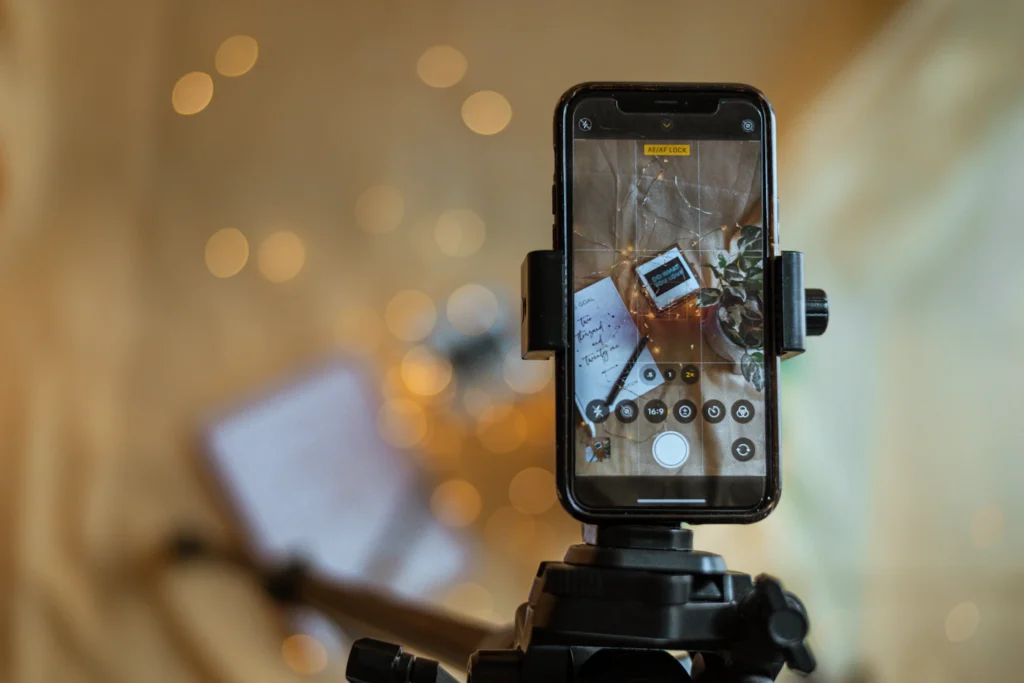
When a shoot serves both horizontal and vertical outputs, frame with a vertical safe area marked on the monitor, or capture dedicated vertical setups. It is far cheaper than reshooting.
4. Edit in batches with templates
Use caption styles, title animations, end cards and color presets as templates. Batch editing similar pieces keeps the look consistent and the turnaround short.
5. Version for each platform
Durations, safe areas, caption placement and calls to action differ between TikTok, Reels, Shorts and Pinterest. Export platform-specific versions instead of posting the same file everywhere.
6. Measure, learn, iterate
Look at retention in the first seconds, completion rate and shares. Turn winning hooks into new variations and retire formats that stop performing.
- FORMATS THAT WORK
Vertical formats that work for entertainment and consumer brands
Trailer & promo cutdowns
Re-edited, not just reframed: a vertical hook, the strongest beats and a clear tune-in or release message for streaming launches.
Recipe & how-to series
Top-down and close-up shots, fast steps and on-screen text. It is the format behind the vertical recipe series we produce for Tastemade and partners like Pinterest.
Performance creative
Multiple hooks, lengths and CTAs from the same footage to feed paid testing — the kind of work our pod delivers inside Kickstarter’s Performance team.
- AT SCALE
How to scale vertical video without losing quality
Vertical content is a volume game: many brands publish several pieces a day across platforms, plus paid variations. That volume breaks teams that edit everything from scratch. What keeps quality high at scale:
- A shared toolkit: caption styles, title animations, color presets, music guidelines and end cards everyone uses.
- Dedicated editors: people who edit your brand every day learn its rhythm and need fewer revisions.
- One shoot, many outputs: plan each production day to deliver hero assets and a library of vertical clips.
- Fast feedback loops: a single review platform and named approvers keep turnaround in days, not weeks.
For the full system, read our guide on how to scale content production, and if editing is your bottleneck, see how to outsource video editing. You can also explore our content production services.
Frequently asked questions
What is vertical video production?
It is the planning, shooting and editing of video in a 9:16 aspect ratio designed for mobile-first platforms like TikTok, Instagram Reels, YouTube Shorts and Pinterest, with framing, pacing and text built for the feed.
Can I just crop my horizontal videos to vertical?
You can, but results are usually weaker: subjects get cut off, text breaks and the pacing doesn’t match the feed. A dedicated vertical edit — or shooting with a vertical safe area — performs much better.
How long should vertical videos be?
There is no single rule. Short pieces are easier to complete, while longer stories can work if they hold attention. Test a few lengths for each format and let retention data guide you.
How many vertical videos should a brand publish?
Consistency matters more than a magic number. Choose a cadence your team can sustain with quality, built on repeatable formats, and add capacity when you see what performs.
Need vertical content at volume?
A dedicated Pegasus Pod can plan, shoot and edit platform-native video for every feed you publish to. Let’s talk about your calendar.